Wanderlust

Temples

download 2025 12 13t113929.667

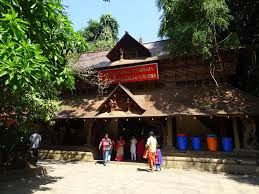
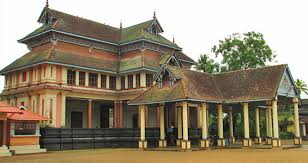
Haripad Subrahmanya Swamy Temple

Haripad Subrahmanya Swamy Temple is one of the oldest and most sacred temples in Kerala, dedicated to Lord Subrahmanya (Murugan), the son of Lord Shiva and Goddess Parvati. Situated in Haripad town of Alappuzha district, this ancient shrine is believed to be more than 3,500 years old, making it a prominent center of worship and spiritual heritage in South India. According to legend, the idol of Lord Subrahmanya was consecrated by Lord Parasurama, the mythical creator of Kerala, which adds immense mythological importance to the temple. The temple architecture reflects classic Kerala-style design, with a serene sanctum (Sreekovil), intricate wood carvings, traditional lamp posts, and a spiritually calming ambience. The presiding deity is worshipped in the form of Bala Subrahmanya, symbolizing youthful energy, courage, wisdom, and divine protection. Devotees strongly believe that prayers offered here help overcome obstacles, cure ailments, and bring success, peace, and prosperity to families. One of the most significant festivals celebrated here is Thaipooyam, which attracts thousands of devotees from across Kerala and neighboring states. The festival is marked by colorful processions, special poojas, kavadi offerings, traditional percussion performances, and devotional chants that fill the temple surroundings with divine vibrancy. Other important occasions such as Skanda Shashti, Vishu, and Mandala Pooja are also observed with great devotion. The temple is especially revered by parents praying for their children’s well-being and education, as Lord Subrahmanya is regarded as a divine teacher and protector. The peaceful environment, spiritual rituals, and deep-rooted traditions make Haripad Subrahmanya Swamy Temple not just a place of worship, but a living symbol of Kerala’s ancient faith, culture, and devotion.

Haripad Subrahmanya Swamy Temple Read More »
download 2025 12 13t112601.192

Chengannur Mahadeva Temple

Chengannur Mahadeva Temple is one of the most ancient and spiritually significant temples in Kerala, located on the banks of the sacred River Pamba in the Alappuzha district. Dedicated to Lord Shiva, worshipped here as Mahadeva, the temple holds a unique place in Indian religious history due to its rare and mysterious rituals that blend devotion, tradition, and legend. The temple’s origins are believed to date back thousands of years, and it is deeply associated with ancient Kerala temple culture and Shaivite traditions. The temple is world-renowned for the extraordinary ritual known as Thriputharattu, a phenomenon associated with the menstruation of the goddess Bhagavathy, the consort deity worshipped alongside Lord Shiva. During this ritual, sacred garments from the goddess are ceremonially taken in a grand procession to the Pamba River for purification rites. This rare belief has drawn scholars, devotees, and spiritual seekers from across the country, making the temple one of the most unique places of worship in India. Architecturally, Chengannur Mahadeva Temple reflects classic Kerala-style temple design, featuring a beautifully crafted sanctum sanctorum (Sreekovil), wooden carvings, mural paintings, and a serene inner courtyard. The temple complex exudes calmness and devotion, surrounded by lush greenery and the gentle flow of the river, enhancing its spiritual ambience. The presence of multiple sub-shrines dedicated to various deities further adds to the temple’s religious depth. Major festivals such as Thiruvathira, Shivaratri, and Thriputharattu are celebrated with grandeur, marked by traditional music, temple rituals, processions, and cultural performances. During these times, the temple becomes a vibrant spiritual hub, showcasing Kerala’s rich ritualistic heritage and communal harmony. Beyond its religious importance, Chengannur Mahadeva Temple stands as a symbol of Kerala’s deep-rooted spiritual philosophy, where nature, devotion, and ancient wisdom coexist. For devotees and visitors alike, the temple offers not just worship, but a profound experience of faith, history, and timeless tradition.

Chengannur Mahadeva Temple Read More »

download 2025 12 13t112038.349

Mannarasala Nagaraja Temple

Mannarasala Nagaraja Temple is one of the most ancient, sacred, and unique temples in Kerala, renowned worldwide as a powerful center of serpent (Naga) worship. Located near Haripad in Alappuzha district, the temple is set within a dense, serene forest grove that preserves a rare ecosystem, symbolizing harmony between spirituality and nature. The entire temple complex is considered holy, and even fallen leaves or soil are traditionally not removed, reflecting deep ecological reverence rooted in ancient beliefs. The presiding deity of the temple is Nagaraja (King of Serpents), accompanied by Nagayakshi, and the shrine houses more than 30,000 serpent idols, making it one of the largest serpent groves in India. According to legend, the temple was consecrated by Lord Parasurama, the mythical creator of Kerala. Mannarasala holds a distinctive tradition where rituals are led by a Brahmin woman known as the Valia Amma, believed to be divinely chosen, which is exceptionally rare in Hindu temple practices. Mannarasala is especially revered by devotees seeking blessings for fertility, childbirth, marital harmony, and relief from Sarpa Dosha (serpent-related astrological afflictions). Thousands of couples from across India visit the temple to perform offerings such as Uruli Kamazhthal (placing a bell-metal vessel upside down) and Ashta Nagapooja, praying for progeny and family well-being. The belief in the temple’s spiritual power has been sustained through centuries of faith and tradition. One of the most important events at Mannarasala is the annual Ayilyam Festival, held during the Malayalam month of Kanni (September–October). On this auspicious day, elaborate poojas, rituals, and special offerings are conducted, attracting a massive gathering of devotees. The atmosphere during the festival is deeply spiritual, with chants, oil lamps, and the sacred forest resonating with devotion and tranquility. Architecturally, the temple follows traditional Kerala style, blending seamlessly with its natural surroundings. The absence of grand structures emphasizes humility, purity, and closeness to nature, reinforcing the belief that the serpent gods reside within the living forest itself. Mannarasala Nagaraja Temple stands not just as a place of worship, but as a timeless symbol of Kerala’s spiritual heritage, ancient ecology, and enduring faith.

Mannarasala Nagaraja Temple Read More »

download 2025 12 13t111502.602

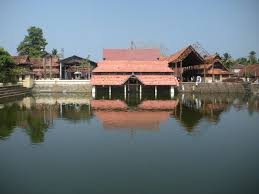
Ambalappuzha Sree Krishna Temple

Ambalappuzha Sree Krishna Temple is one of the most sacred and historically significant temples in Kerala, dedicated to Lord Krishna in the form of Unnikrishnan (the divine child). Located in the serene town of Ambalappuzha in Alappuzha district, the temple was established in the 17th century by Chembakassery Pooradam Thirunal Devanarayanan Thampuran, the then ruler of the Chembakassery kingdom. Built in classic Kerala temple architectural style, the temple features a circular sanctum (sreekovil), a golden flagstaff (dwajasthambam), and beautifully crafted wooden structures that reflect the region’s rich cultural heritage. The presiding deity, Unnikrishnan, holds a whip in the right hand and a conch in the left, symbolizing divine protection and guidance. The idol is believed to be identical in form to that of the famous Guruvayur Temple, making Ambalappuzha an important spiritual destination for Krishna devotees. Daily rituals are conducted according to strict Tantric and Vedic traditions, creating an atmosphere of deep devotion and tranquility. The temple is world-renowned for its legendary offering, Ambalappuzha Palpayasam, a rich and aromatic sweet pudding prepared with rice, milk, sugar, and ghee. According to folklore, this offering is associated with a historical episode involving a visiting scholar, highlighting the temple’s connection to wisdom, humility, and divine grace. Even today, thousands of devotees visit the temple solely to receive this sacred prasadam, which is considered both spiritually and culturally priceless. One of the most important festivals celebrated here is Ambalappuzha Arattu, held annually during March–April, drawing massive crowds from across Kerala. The festival is marked by grand processions, traditional music, temple arts, and the ceremonial bathing of the deity. The temple also holds special significance during Janmashtami, when the birth of Lord Krishna is celebrated with elaborate rituals, devotional songs, and cultural programs. Surrounded by the lush landscapes and backwaters of Alappuzha, Ambalappuzha Sree Krishna Temple stands as a timeless symbol of Kerala’s devotion, art, and spiritual heritage. It is not only a place of worship but also a cultural landmark that continues to inspire faith, devotion, and reverence across generations.

Ambalappuzha Sree Krishna Temple Read More »

gemini generated image 2bq4s22bq4s22bq4

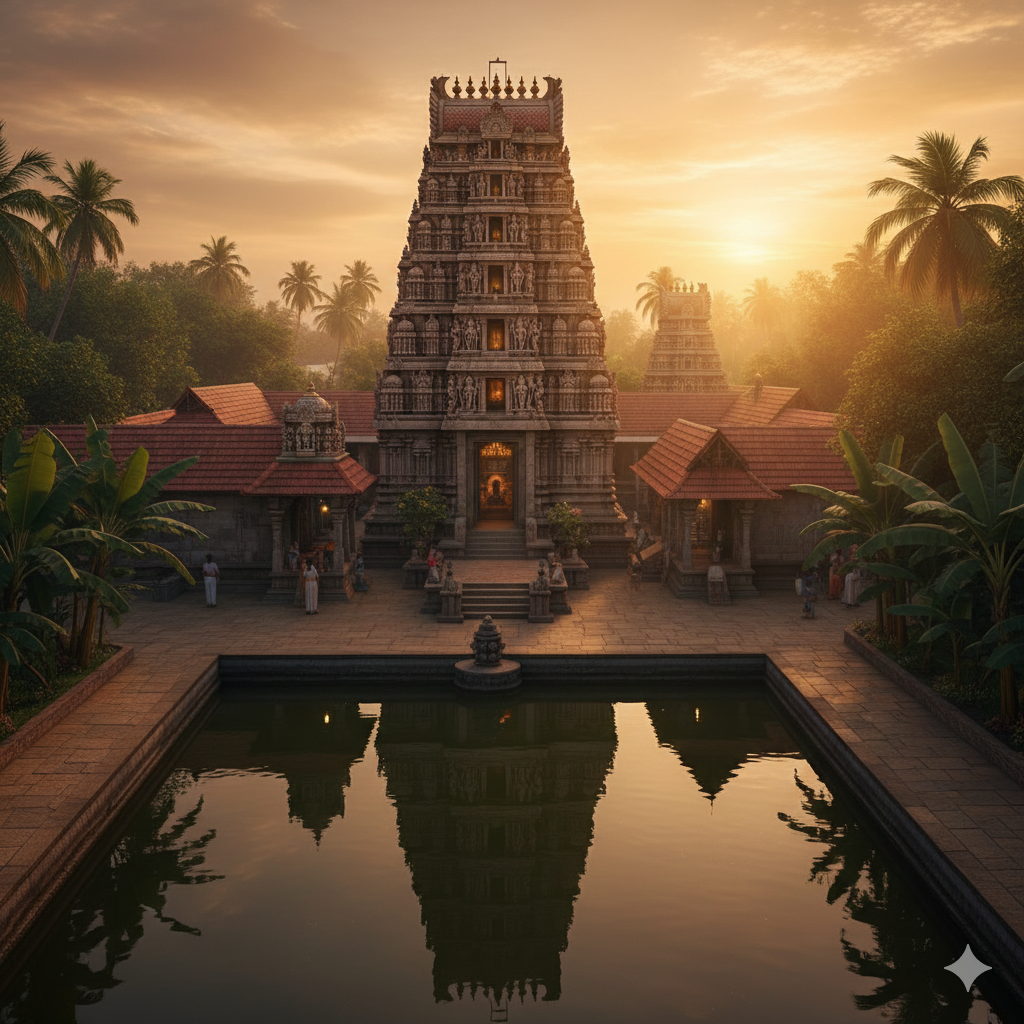
Chettikulangara Devi Temple

Chettikulangara Devi Temple is one of the most ancient, powerful, and spiritually significant temples in Kerala, located near Mavelikkara in Alappuzha district. Dedicated to Goddess Bhagavathy, who is worshipped in three divine forms—Saraswathi (morning), Lakshmi (noon), and Durga (evening)—the temple symbolizes knowledge, prosperity, and strength. The deity is believed to be extremely benevolent yet powerful, attracting thousands of devotees every day from across Kerala and neighboring states. The temple has a rich history rooted in legend and devotion. According to popular belief, the temple was consecrated after local chieftains returned disappointed from the Kodungallur Bhagavathy Temple festival. Pleased by their devotion, the Goddess is said to have manifested herself at Chettikulangara, blessing the land and its people. Since then, the temple has grown into a major spiritual and cultural center, deeply woven into the social life of the region. One of the most remarkable aspects of Chettikulangara Devi Temple is its world-famous Chettikulangara Bharani Festival, held annually during February–March (Kumbham month). This vibrant festival is renowned for spectacular rituals such as Kettukazhcha, where massive, beautifully decorated temple structures (Theru) resembling chariots are carried by hundreds of devotees, and Kuthiyottam, a unique ritual symbolizing devotion, discipline, and sacrifice. These rituals are considered among the most visually grand and spiritually intense temple traditions in Kerala. Architecturally, the temple follows traditional Kerala temple styles, surrounded by sacred groves and serene landscapes that enhance its spiritual atmosphere. The temple is also known for Choroonu (first rice-feeding ceremony), Vidyarambham (initiation into learning), and special poojas performed for health, prosperity, and success. Devotees strongly believe that sincere prayers offered here are answered, making the temple especially popular among families and pilgrims. Overall, Chettikulangara Devi Temple is not just a place of worship but a living symbol of Kerala’s spiritual depth, cultural richness, and timeless traditions. Its powerful rituals, historic legacy, and unwavering faith of devotees make it one of the most important pilgrimage destinations in Alappuzha district and a must-visit spiritual landmark in Kerala.

Chettikulangara Devi Temple Read More »