Wanderlust

Festivals

download 2025 12 13t120527.404

Chettikulangara Bharani

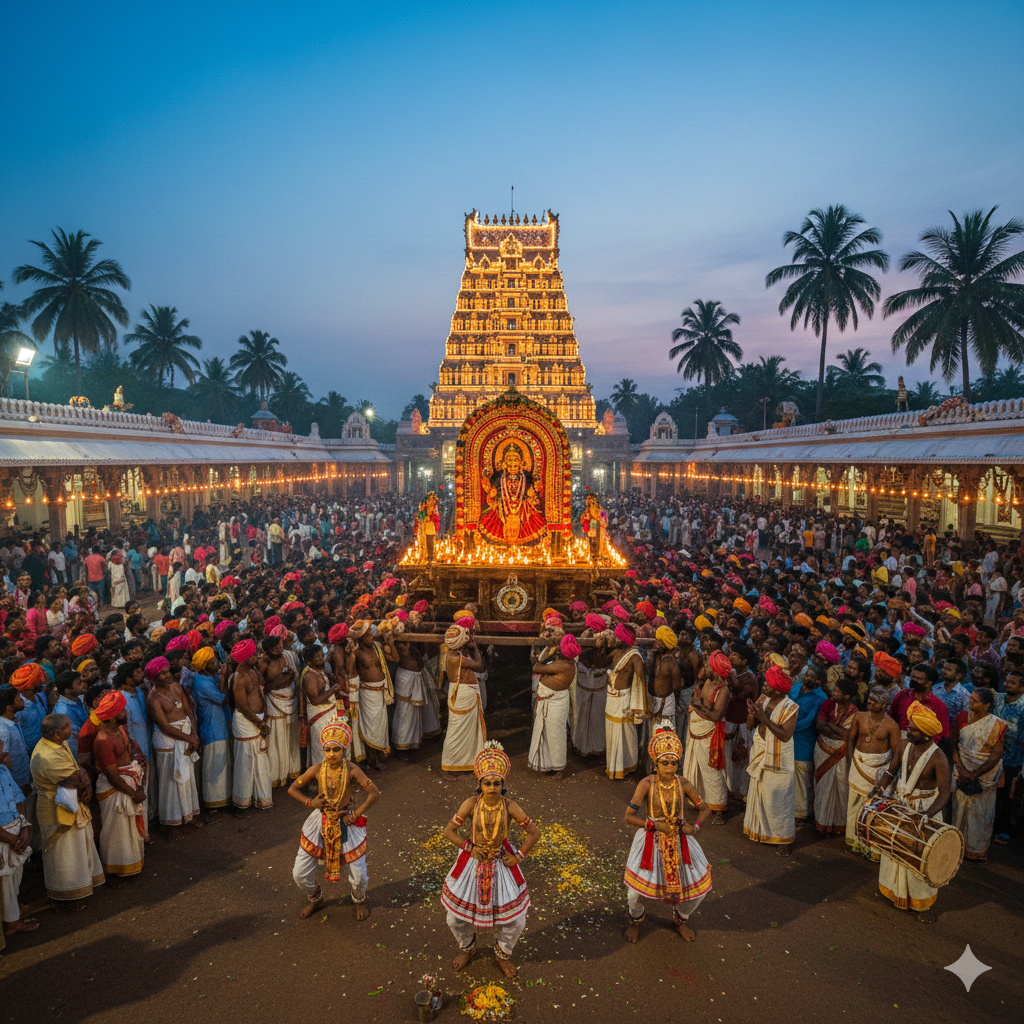
Chettikulangara Bharani is one of the most spectacular and spiritually intense temple festivals of Kerala, celebrated with immense devotion at the historic Chettikulangara Devi Temple. Observed annually in the Malayalam month of Kumbham–Meenam (February–March), on the Bharani star day, the festival draws lakhs of devotees from across Kerala and beyond, making it one of the largest and most vibrant religious gatherings in the state. The festival is renowned for its grand Kettukazhcha, a breathtaking display of colossal, artistically crafted temple structures such as Theru (chariots), Kuthira (horses), Bhima, Hanuman, and various mythological forms. Rising to towering heights and illuminated with oil lamps, these structures are carried ceremonially from nearby villages to the temple grounds, accompanied by powerful chenda melam, pandi melam, traditional percussion, and folk performances. The visual grandeur and rhythmic energy create an atmosphere of awe and devotion that lasts through the night. A deeply symbolic ritual of the festival is Kuthiyottam, an ancient offering performed mainly by young boys as an act of intense devotion to Goddess Bhagavathy. After days of strict fasting, prayers, and discipline, devotees symbolically pierce their bodies and circumambulate the temple, reflecting themes of sacrifice, faith, and surrender. Another striking ritual, Kettukazhcha Vilakku, involves thousands of devotees carrying traditional lamps, transforming the temple surroundings into a sea of light. Chettikulangara Bharani is not just a religious event but a cultural phenomenon that showcases Kerala’s artistic excellence, community unity, and age-old traditions. The festival seamlessly blends spirituality, art, music, and folklore, preserving rituals passed down through generations. For visitors and devotees alike, Chettikulangara Bharani is an unforgettable experience—an embodiment of Kerala’s living heritage, where devotion meets magnificent visual splendor and collective celebration.

Chettikulangara Bharani Read More »
download 2025 12 13t115541.448

Mullakkal Chirappu

Mullakkal Chirappu is one of the most vibrant and eagerly awaited temple festivals of Alappuzha, celebrated annually at the historic Mullakkal Rajarajeswari Temple. Usually held in the Malayalam month of Kumbham–Meenam (February–March), this week-long festival transforms the heart of the town into a lively cultural arena filled with devotion, tradition, and celebration. Deeply rooted in Kerala’s temple culture, Mullakkal Chirappu reflects the spiritual essence and artistic richness of the region. The festival is especially famous for its grand elephant processions, where caparisoned elephants adorned with golden nettipattam move majestically through the streets, accompanied by powerful chenda melam and traditional percussion ensembles. These processions create an electrifying atmosphere, drawing large crowds of devotees, artists, and visitors. Rituals such as special poojas, deeparadhana, and offerings to the goddess are conducted with great devotion, highlighting the spiritual core of the celebrations. Mullakkal Chirappu is also a major cultural showcase, featuring classical dance forms like Bharatanatyam and Mohiniyattam, traditional folk arts, devotional music, and stage performances held during the evenings. Colorfully decorated streets, illuminated temple premises, and bustling local markets add to the festive charm, making the entire area around the temple come alive after sunset. Beyond its religious significance, the festival plays an important role in strengthening community bonds and preserving Kerala’s traditional arts. People from different walks of life come together to participate in rituals, enjoy cultural programs, and experience the collective spirit of celebration. Mullakkal Chirappu is not just a temple festival—it is a living expression of Alappuzha’s cultural identity, blending devotion, music, art, and social harmony into a memorable annual event.

Mullakkal Chirappu Read More »

download 2025 12 13t114759.938

Onam Festival

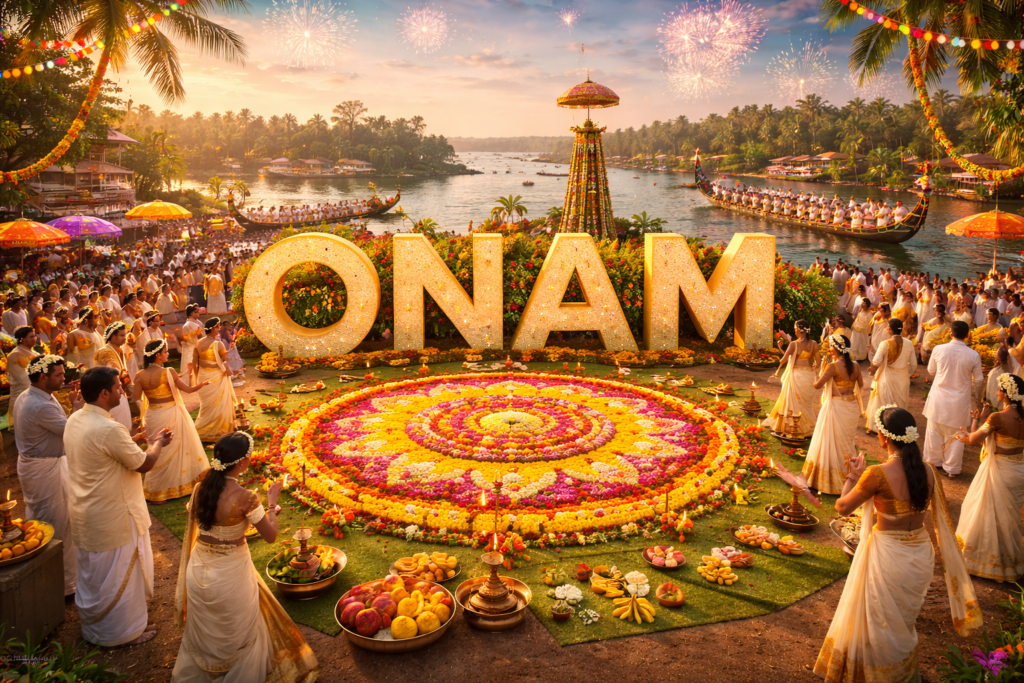
Onam is the most celebrated and culturally significant festival of Alappuzha, reflecting the soul of Kerala’s traditions, unity, and agrarian heritage. Celebrated during the Malayalam month of Chingam (August–September), Onam marks the annual homecoming of the legendary King Mahabali, whose reign symbolized equality, prosperity, and happiness. In Alappuzha, famously known as the “Venice of the East”, Onam takes on a unique charm with its scenic backwaters, vibrant waterways, and community-driven celebrations. The festivities span ten days, beginning with Atham and culminating on Thiruvonam. Homes, streets, and public spaces across Alappuzha are adorned with elaborate Pookalam (floral rangoli) made from fresh, colorful flowers, symbolizing joy and welcome. Families dress in traditional attire—women in elegant kasavu sarees and men in mundu—adding grace and cultural elegance to the celebrations. One of the highlights of Onam in Alappuzha is the spectacular snake boat races, especially on the serene waters of Punnamada Lake. The rhythmic rowing, synchronized chants, and majestic chundan vallams create an electrifying atmosphere that attracts visitors from across India and the world. These races showcase teamwork, tradition, and the deep connection of the people with water and nature. Food plays a central role in Onam celebrations, with the grand Onasadya, a traditional vegetarian feast served on a banana leaf. Featuring over 20 dishes—such as avial, sambar, thoran, olan, pachadi, payasam, and more—the feast represents abundance, hospitality, and togetherness. In Alappuzha, the Onasadya is often prepared collectively, strengthening bonds among families and communities. Cultural performances add further vibrancy to the festival. Kathakali, Mohiniyattam, Thiruvathira, Pulikali (tiger dance), and traditional music performances are organized in temples, cultural centers, and public grounds. Markets and town centers come alive with fairs, handicrafts, traditional games, and festive shopping, creating a joyful and inclusive atmosphere. Above all, Onam in Alappuzha is a celebration that transcends religion and caste, bringing people together in a spirit of harmony and shared heritage. Blending tradition with natural beauty, the festival beautifully reflects Alappuzha’s identity—where culture flows as gracefully as its backwaters, making Onam a truly unforgettable experience.

Onam Festival Read More »

download 2025 12 13t102205.917

Ambalapuzha Temple Festival

The Ambalappuzha Sri Krishna Temple Festival is one of the most celebrated and culturally rich events in Alappuzha, Kerala. Held annually at the historic Ambalapuzha Sree Krishna Temple, the festival draws thousands of devotees and tourists from across the country. The temple, renowned for its exquisite traditional Kerala architecture and serene backwater setting, becomes a hub of religious and cultural activity during the festival period. Central to the celebrations is the Arattu ritual, where the idol of Lord Krishna is taken in a grand procession to the nearby river or temple pond for a ceremonial bath, symbolizing purification and divine blessings. The festival is also marked by classical music and dance performances, including Kathakali, traditional temple music ensembles like Panchavadyam, and devotional songs that resonate through the temple premises. A highlight of the festival is the distribution of the famous Ambalapuzha Palpayasam, a sweet rice pudding made from milk and jaggery, considered sacred prasad for devotees. The festival period also features colorful processions, lamp-lighting ceremonies, and community gatherings, reflecting the deep-rooted spiritual and social traditions of Kerala. Celebrated with devotion and grandeur, the Ambalappuzha Temple Festival not only honors Lord Krishna but also showcases the rich heritage, artistry, and communal harmony of the region.

Ambalapuzha Temple Festival Read More »

gemini generated image 2bv7h2bv7h2bv7h2

Alappuzha Nehru Trophy Boat Race

The Alappuzha Nehru Trophy Boat Race is Kerala’s most famous and spectacular traditional snake boat race, held annually on Punnamada Lake in Alappuzha. It takes place during the Onam festival season and attracts thousands of visitors from across India and abroad. Long, colorful “Chundan Vallams” (snake boats), each carrying over 100 rowers, compete in a thrilling display of speed, rhythm, and teamwork. The race is named after Jawaharlal Nehru, the first Prime Minister of India, who inaugurated it in 1952. It is not only a thrilling sporting event but also a vibrant cultural spectacle, with music, festivities, and local traditions reflecting the rich heritage of Kerala’s backwaters The Alappuzha Nehru Trophy Boat Race is one of Kerala’s most spectacular and internationally recognized cultural events, held annually on the serene Punnamada Lake in Alappuzha. Known as the “Snake Boat Race of Kerala,” this thrilling festival attracts thousands of spectators from across India and abroad. The event typically takes place during the Onam season (August–September) and features long, beautifully decorated traditional boats called “Chundan Vallams” (snake boats), each measuring over 100 feet and accommodating 100 or more rowers. The race is a celebration of teamwork, rhythm, and tradition, where the rowers paddle in perfect synchronization to the beat of traditional songs called Vanchipattu. Originally inaugurated in 1952 in memory of the first Prime Minister of India, Jawaharlal Nehru, the race has grown into a symbol of Kerala’s rich heritage, showcasing the community spirit and competitive spirit of the local people. Besides the main race, the festival is accompanied by folk music, cultural programs, and local cuisine, making it a vibrant spectacle for tourists and locals alike. Today, the Nehru Trophy Boat Race is not only a sporting event but also a cultural extravaganza that highlights the scenic beauty of Alappuzha’s backwaters, cementing the city’s reputation as the “Venice of the East.”

Alappuzha Nehru Trophy Boat Race Read More »